How to Answer U.S. Visa Interview Questions to Increase Approval Chances – First Consulting Group
minhle
News
Many applicants carefully prepare their U.S. immigration petitions. However, once they step into the green card interview, many still feel overwhelmed. The immigrant visa or adjustment interview is the final step in determining whether a case will be approved or denied. Understanding common questions, why they are asked, and how to answer safely is the key to successfully passing this critical stage without unnecessary risk. First Consulting Group – Immigration Attorneys Group – helps you understand the legal nature of this interview.

Submitting a complete immigration petition does not automatically grant lawful permanent residence. The interview is when the officer conducts a direct review under U.S. immigration and nationality law, verifying declared information against actual circumstances. This is not a casual conversation, but a formal legal procedure designed to identify inconsistencies, misrepresentations, or potential fraud under the standards applied by U.S. Citizenship and Immigration Services and the U.S. Department of State.
The purpose of the Green Card interview is to ensure that all information provided by the applicant is accurate and well-founded. Beyond reviewing documents, the adjudicating officer also observes how questions are answered and evaluates the consistency of responses to determine credibility under USCIS policy guidelines and consular procedures.
Every question asked during the interview serves a specific purpose. Consular officers do not ask questions to create difficulty, but to assess the credibility of statements and the consistency of information compared to the submitted documentation. They apply statutory inadmissibility provisions and internal adjudication guidelines, making decisions based on the totality of the evidence rather than a single answer. Therefore, both communication style and responsiveness are also considered:
Officers evaluate cases under strict immigration adjudication standards outlined in USCIS policy manuals, reviewing immigration history, purpose of entry, and the financial capability of the sponsor (Form I-864, Affidavit of Support). Many applicants wonder whether the Green Card interview is difficult. In reality, the outcome largely depends on the level of preparation and the overall consistency of the case.
Cases that undergo closer scrutiny often involve:
Under the adjudication standards of U.S. Citizenship and Immigration Services, officers do not base their decision on a single response, but on the overall consistency between testimony, submitted documentation, and prior immigration history reflected in federal databases. If an applicant hesitates excessively, avoids eye contact, or provides answers that sound memorized, the officer may probe further with follow-up questions to clarify concerns.
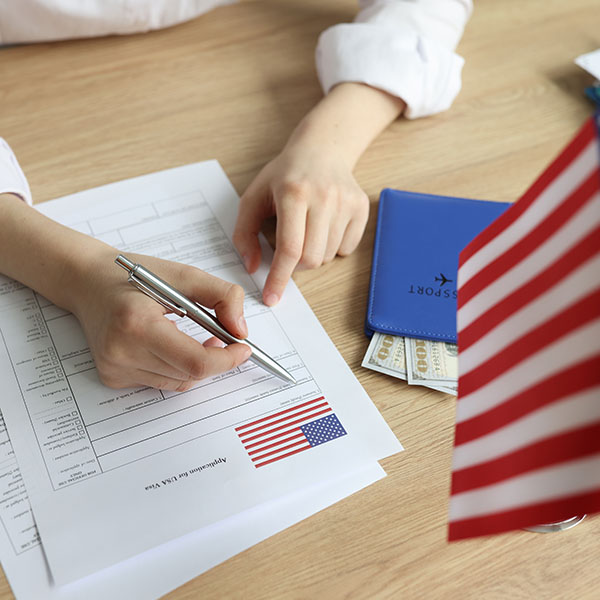
Before attending the interview, you should clearly understand the overall scope of what may be asked. This helps reduce anxiety and increases your ability to manage the situation confidently. USCIS or consular officers typically focus on four main categories in accordance with guidance in the immigration policy manual.
Based on experience advising thousands of cases, First Consulting Group has compiled four of the most common Green Card interview question categories following the standard format of the Adjustment of Status interview under Form I-485:
The level and direction of questioning depend on the visa category. Marriage-based cases (immigrant visas IR-1, CR-1) are often examined closely regarding the development of the relationship to detect potential marriage fraud, while parent cases (IR-5) focus more on financial sponsorship ability and living arrangements. Adjustment of Status cases filed in the U.S. (Form I-485) are reviewed by the local USCIS office for residency history, whereas consular interviews (consular processing) often emphasize long-term immigrant intent.
Knowing the questions is not enough. You must understand how to answer safely in accordance with USCIS principles and avoid common mistakes that may raise concerns for the officer.
Three common errors:
These mistakes may cause the officer to conclude that you are concealing information or making misrepresentations under fraud-related provisions. After the interview, if concerns arise, the officer may issue a Request for Evidence (RFE) or deny the case through a Notice of Intent to Deny (NOID).
Principles for Answering to Ensure a Positive Case Evaluation
Honesty does not mean saying everything. You need a strategic approach in how you respond, following the principle of “answer only what is asked.” We recommend adhering to three key principles:
Officers are trained to detect inconsistencies or overly rehearsed answers and may ask follow-up questions to clarify concerns. Prepare by thoroughly reviewing all submitted information, but express it in your own words. Consular or USCIS officers evaluate the overall presentation: the substance of your answers, body language, and level of confidence, in accordance with behavioral assessment guidelines.
Preparation Before Meeting the Officer
After meeting with the officer, the case may fall into one of three outcomes: approval, administrative processing (under applicable legal provisions), or a request for additional evidence. Administrative processing commonly occurs when the officer requires additional time to verify information through FBI databases, the Department of Homeland Security, or interagency data checks.
In more serious situations, the case may be denied if material misrepresentation or significant inconsistencies are discovered under grounds of inadmissibility in immigration law. Understanding each possible outcome allows applicants to better prepare mentally and plan appropriate next steps.
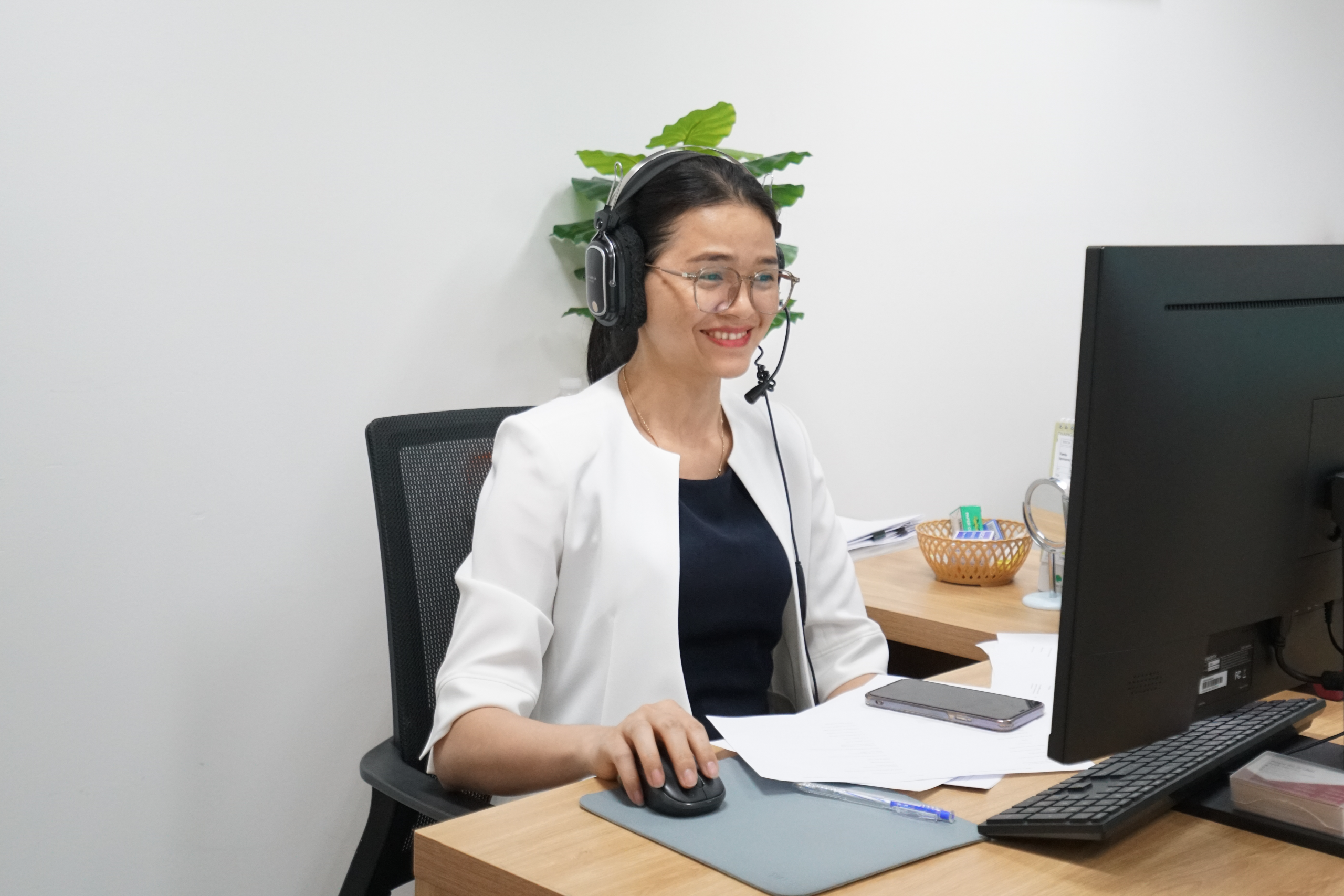
Not every case is straightforward. If you have previously been denied a visa, have a complex legal history involving criminal grounds under immigration law, or if your sponsorship relationship contains unusual factors, self-preparation may not be sufficient. Our firm often meets clients only after their cases have been placed in administrative processing, at which point the cost and time involved are significantly greater than if the case had been properly prepared from the beginning.
Situations where professional consultation is strongly recommended include:
Our program helps you prepare systematically, from reviewing all documentation to conducting realistic mock interview simulations.
The Green Card interview is the final step in the immigrant visa process, following USCIS approval (including Form I-130 petition approval) and case scheduling by the National Visa Center (NVC). All interview questions are based on information stored within the USCIS electronic immigration system and the consolidated consular database. Therefore, preparation should not be approached in isolated stages but viewed as a unified process from petition filing through the visa interview.
For assistance with your U.S. immigration case, you may register for a FREE consultation with First Consulting Group.
HOTLINE
Top Articles
The U.S. immigration process can be intricate, involving detailed legal requirements and procedures. To better address your unique situation, please provide your contact details to arrange a personalized consultation. A member of First Consulting Group’s dedicated team will contact you during business hours to offer expert guidance.

USA
12966 Euclid St., Suite 520, Garden Grove, CA 92840
(714) 638-3111
USA
989 Story Rd., Suite 8075, San Jose, CA 95122
(408) 998-5555
USA
1880 S Dairy Ashford Rd Ste 539, Houston, TX 77077
(832) 353-3535
VIETNAM
8th Floor, Tuoi Tre Tower, 60A Hoang Van Thu St., Duc Nhuan Ward, Sai Gon
(028) 3516-2118
VIETNAM
5th Floor, Bao Minh Building, 08 Phan Van Tri St., Ninh Kieu Ward, Can Tho City
(0292) 383-0001
VIETNAM
5th Floor, Viettel Building, 11 Ly Thuong Kiet St., Thuan Hoa Ward, Hue City
(0234) 381-0016
VIETNAM
6th Floor, ACB Building, 218 Bach Dang St., Hai Chau Ward, Da Nang City
0886 00 34 00