
Sponsoring siblings to immigrate to the United States is a major concern for many Vietnamese families who have relatives living in the U.S. However, in practice, many people still do not fully understand the applicable requirements as well as the scope of eligible applicants. At the same time, the reasons why the waiting time can last for many years are often not clearly explained.
In reality, this sponsorship category belongs to the family-preference visa group, which is subject to annual quotas. As a result, the number of pending applications continues to increase each year. With experience supporting many Vietnamese families in immigration matters, First Consulting Group always focuses on providing clear, updated information tailored to each specific case.
This is a form of petition that allows a U.S. citizen to file an immigration petition for their biological brother or sister under U.S. immigration law. This category involves strict review requirements, limited visa quotas, and a long waiting period. Therefore, petitioners should clearly understand the eligibility scope and the overall processing pathway before deciding to proceed.
Learn more: Family sponsorship to the United States – detailed guidance from First Consulting Group.

The F4 category in U.S. immigration law is a family-based visa specifically designated for the siblings of U.S. citizens. This category is placed in the fourth preference group within the family visa system, meaning it has a lower priority compared to other family-based categories such as F1 (unmarried children of U.S. citizens), F2A (spouses of lawful permanent residents), and F2B (unmarried children over 21 of lawful permanent residents).
Recent immigration policies have not changed the fundamental nature of the sibling sponsorship category, although review policies may be adjusted from time to time. It is important to understand that this category applies to:
One important note is that sponsoring cousins to immigrate to the United States is not eligible under this category. In practice, confusion about eligible relationships is quite common, which can lead to petitions being filed for the wrong applicant and significantly extending processing times.
To file a sibling immigration petition under this category, the petitioner must meet the following conditions:
Financial sponsorship requirements are determined based on household size and the minimum income threshold established by law. The sponsor must meet the financial requirements under the Affidavit of Support (Form I-864), at a minimum of 125% of the federal poverty guidelines. If the sponsor does not meet this requirement, a joint sponsor may be used.
For the sponsored sibling, the requirements include:
Confirming eligibility from the beginning helps minimize wasted time and additional costs. Notably, many lawful permanent residents mistakenly believe they can sponsor siblings. In reality, only U.S. citizens are permitted to sponsor their brothers and sisters for immigration.
Preparing an immigration petition requires careful attention to detail and a clear understanding of each stage of the process. In practice, many applicants face difficulties when completing procedural steps or determining the correct order of processing according to immigration authority requirements.
Basic documents and steps in the U.S. sibling sponsorship process include:
The first stage is filing Form I-130 in accordance with official procedures. This is a critical step to establish the legal relationship for the entire immigration process. After approval, the case will be transferred to the National Visa Center (NVC) for the next stages of processing.
Costs involved in sibling sponsorship include:
If the petition is not fully prepared, applicants may receive a Request for Evidence (RFE) or face denial. During the NVC stage, additional civil documents are often required, such as police certificates and financial support evidence that meets federal income requirements.
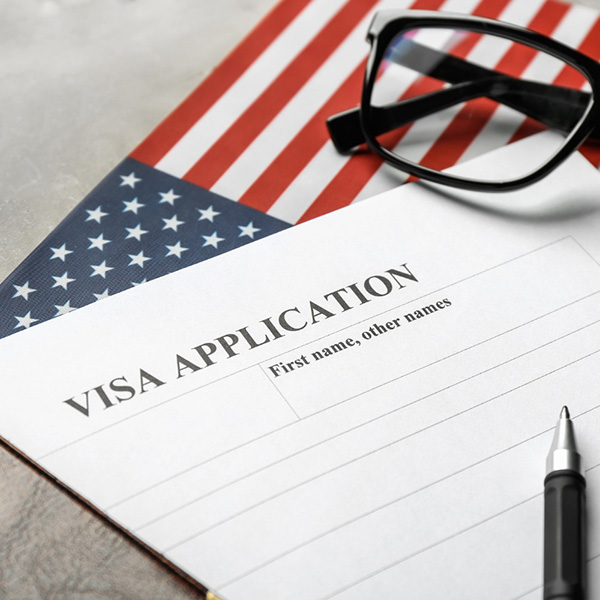
Currently, the average waiting time for sibling sponsorship is over 17 years, depending on the applicant’s nationality and the petition filing date. The processing procedure is generally divided into three main stages, as follows:
Stage 1: Filing the petition with USCIS (U.S. Citizenship and Immigration Services)
Stage 2: Case processing at the NVC (National Visa Center)
Stage 3: Interview at the U.S. Consulate
Note: The waiting time above may vary depending on several factors such as the processing agency, the applicant’s country, the number of pending cases, whether the file is complete or missing documents, and any potential changes in immigration policies.
During the waiting period, cases are typically placed in the annual quota backlog. Petitioners should actively monitor the status of their F4 petition through official channels and update personal information when requested by immigration authorities. Understanding the case status helps families plan long-term and reduce the risk of delays or interruptions.
The process of sponsoring siblings to the United States may involve several risks. Applications are commonly denied for the following reasons:
Effective ways to reduce these risks include:
The consular interview is the final step in the process. Careful preparation for the interview significantly increases the chance of approval. Questions typically focus on the family relationship, immigration purpose, and financial support capability.
Many cases are denied after a long waiting period due to failure to update important changes related to personal circumstances, particularly marital status or residential address. Properly notifying immigration authorities of any updates helps ensure the application remains accurate and avoids the risk of interruption or rejection.
Understanding the process at each stage helps save time and minimize potential risks. With extensive experience supporting sibling sponsorship cases, First Consulting Group provides guidance on the most suitable strategy and accompanies families throughout the entire immigration process.
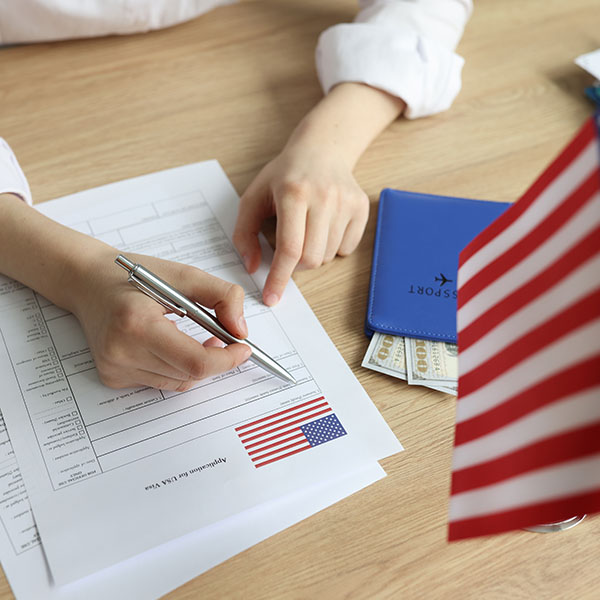
After completing the sibling sponsorship process to the United States, the sponsored person will receive a Green Card. This allows them to access several important benefits:
However, the sponsored individual must also fulfill certain responsibilities, such as filing taxes properly, maintaining lawful permanent resident status, and avoiding serious legal violations that could affect long-term residency rights.
The journey of sponsoring siblings to immigrate to the United States requires patience and careful preparation. Although the waiting time can be long, it remains a legal pathway for family reunification. With proper preparation and professional support, families can overcome challenges throughout the process.
If you need more information or consultation about U.S. immigration, family sponsorship, or complex immigration procedures, please contact First Consulting Group. Our team of immigration attorneys is ready to provide dedicated guidance and professional case support. Connect with us to receive personalized consultation and continuous support throughout your immigration journey.
FOR A FREE CONSULTATION, PLEASE CALL:
– Garden Grove Office: (877) 348-7869
– San Jose Office: (408) 998-5555
– Houston Office: (832) 353-3535
– Vietnam Office: (028) 3516-2118
All information in this article is for reference purposes only, not legal advice, and reflects data available at the time of writing. For detailed consultation, please contact First Consulting Group directly.
The U.S. immigration process can be intricate, involving detailed legal requirements and procedures. To better address your unique situation, please provide your contact details to arrange a personalized consultation. A member of First Consulting Group’s dedicated team will contact you during business hours to offer expert guidance.

USA
12966 Euclid St., Suite 520, Garden Grove, CA 92840
(714) 638-3111
USA
989 Story Rd., Suite 8075, San Jose, CA 95122
(408) 998-5555
USA
1880 S Dairy Ashford Rd Ste 539, Houston, TX 77077
(832) 353-3535
VIETNAM
8th Floor, Tuoi Tre Tower, 60A Hoang Van Thu St., Duc Nhuan Ward, Sai Gon
(028) 3516-2118
VIETNAM
5th Floor, Bao Minh Building, 08 Phan Van Tri St., Ninh Kieu Ward, Can Tho City
(0292) 383-0001
VIETNAM
5th Floor, Viettel Building, 11 Ly Thuong Kiet St., Thuan Hoa Ward, Hue City
(0234) 381-0016
VIETNAM
6th Floor, ACB Building, 218 Bach Dang St., Hai Chau Ward, Da Nang City
0886 00 34 00